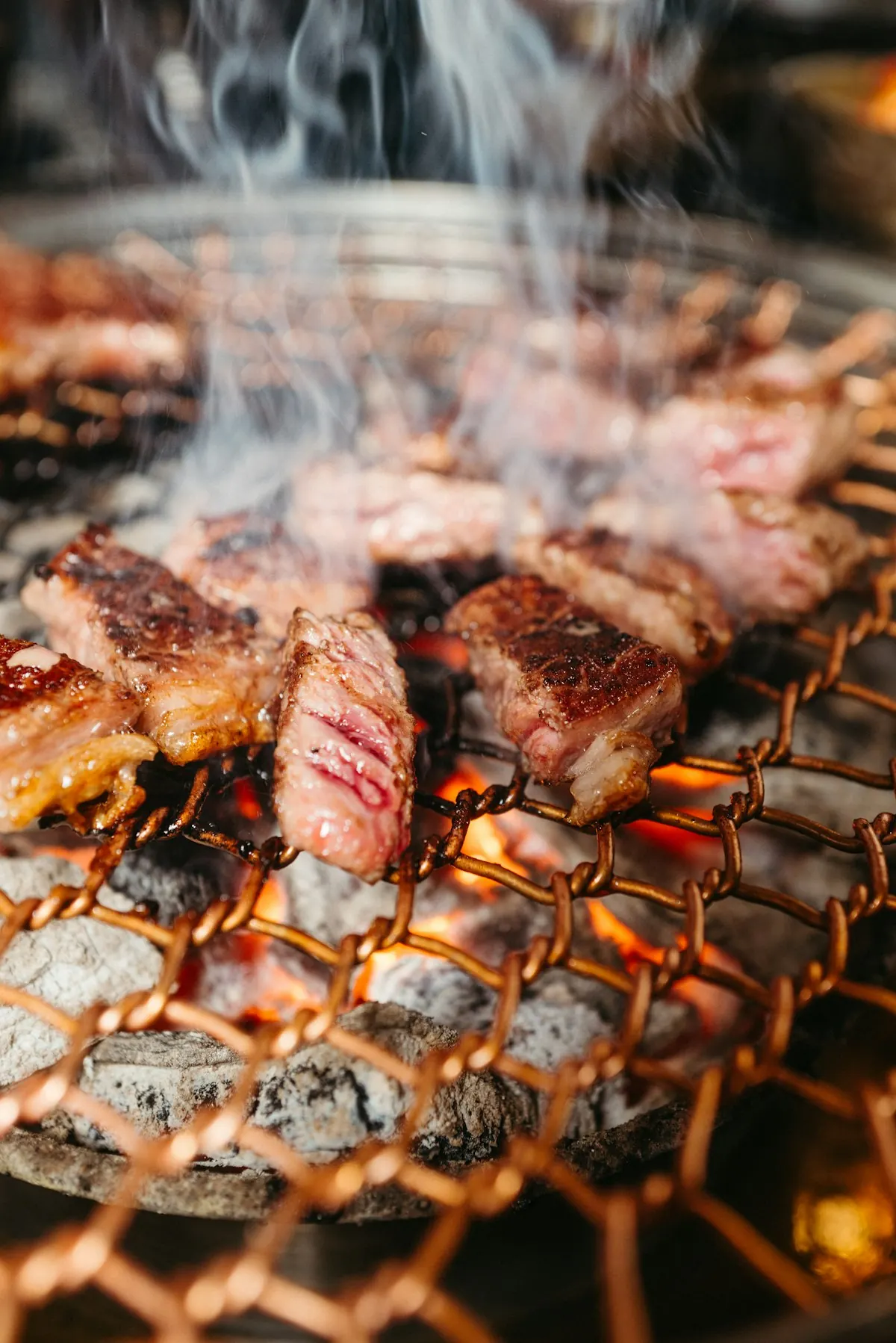
Steak Doneness Temperatures
Getting the right internal temperature is the single most important factor for a great steak.
| Doneness | Pull Temp | Final Temp (after rest) | Texture |
|---|---|---|---|
| Rare | 115°F (46°C) | 120°F (49°C) | Cool red center |
| Medium-Rare | 125°F (52°C) | 130°F (54°C) | Warm red center, ideal for most cuts |
| Medium | 135°F (57°C) | 140°F (60°C) | Pink center, firmer |
| Medium-Well | 145°F (63°C) | 150°F (66°C) | Slight pink, mostly gray |
| Well-Done | 155°F (68°C) | 160°F (71°C) | No pink, firm throughout |
Pro tip: Always pull your steak 5°F (3°C) before your target — carryover heat will finish the job during the rest.
Direct Heat vs. Reverse Sear
Direct heat works best for steaks under 1.5 inches (3.5 cm) thick. Sear 3-4 minutes per side over high heat (450-500°F / 230-260°C).
Reverse sear is the gold standard for thick steaks (1.5 inches+). Start on the cool side of the grill at 225-250°F (107-120°C) until 10-15°F below target, then sear over blazing heat for 60-90 seconds per side.
The reverse sear gives you edge-to-edge even doneness with a superior crust — it's worth the extra time for premium cuts like ribeye, NY strip, or tomahawk.
Seasoning & Prep
For a great BBQ steak:
1. Salt early — season at least 40 minutes before (or overnight) so the salt draws out moisture, dissolves, and reabsorbs for deep seasoning.
2. Pat dry just before grilling for a better crust.
3. Oil the steak, not the grill — a thin coat of high-smoke-point oil prevents sticking.
4. Let it temper — pull from the fridge 30-45 minutes before cooking for more even results.
Resting Is Non-Negotiable
Rest your steak for at least 5 minutes (10 minutes for thick cuts) on a warm plate loosely tented with foil. This redistributes juices throughout the meat.
Resting guide:
| Thickness | Rest time |
|---|---|
| Under 1 inch | 5 minutes |
| 1-1.5 inches | 7-8 minutes |
| 1.5+ inches | 10 minutes |
Common Mistakes to Avoid
1. Cold steak on hot grill — leads to uneven cooking.
2. Pressing down with spatula — squeezes out juices.
3. No thermometer — guessing by touch is unreliable. Use an instant-read.
4. Moving it too much — let the grill do the work. Flip once.
5. Skipping the rest — all that work wasted if you slice immediately.
Plan Your Steak Cook
Answer a few quick questions and get a full step-by-step plan.
Frequently Asked Questions
What temperature should steak be on the BBQ?
For medium-rare, pull at 125°F (52°C) and rest to 130°F. For medium, pull at 135°F (57°C). Always use an instant-read thermometer.
How long do you grill a steak?
A 1-inch thick steak takes about 3-4 minutes per side over direct high heat (450-500°F). Thicker cuts benefit from a reverse sear.
Should I use direct heat or reverse sear?
For steaks under 1.5 inches, direct heat is fast and effective. For thicker cuts (1.5 inches+), reverse sear gives more even doneness and a better crust.
Related Guides
How Much Brisket Do You Need for 10 People?
Planning a brisket cook for a group? The general rule is about 1/2 pound (225g) of cooked brisket per person. But raw brisket loses 40-50% of its weight during cooking. Here's how to get the math right — and plan the perfect cook.
How to Cook Pork Perfectly on the BBQ
Pork on the BBQ ranges from fast-grilling chops to low-and-slow pulled pork. Each cut demands a different approach. This guide covers temperatures, timing, and methods for every major pork cut.
Best BBQ Thermometer for Accurate Cooking
A good thermometer is the single most impactful upgrade for any BBQ cook. It eliminates guesswork and guarantees food safety. Here's how to choose the right one for your setup and budget.